
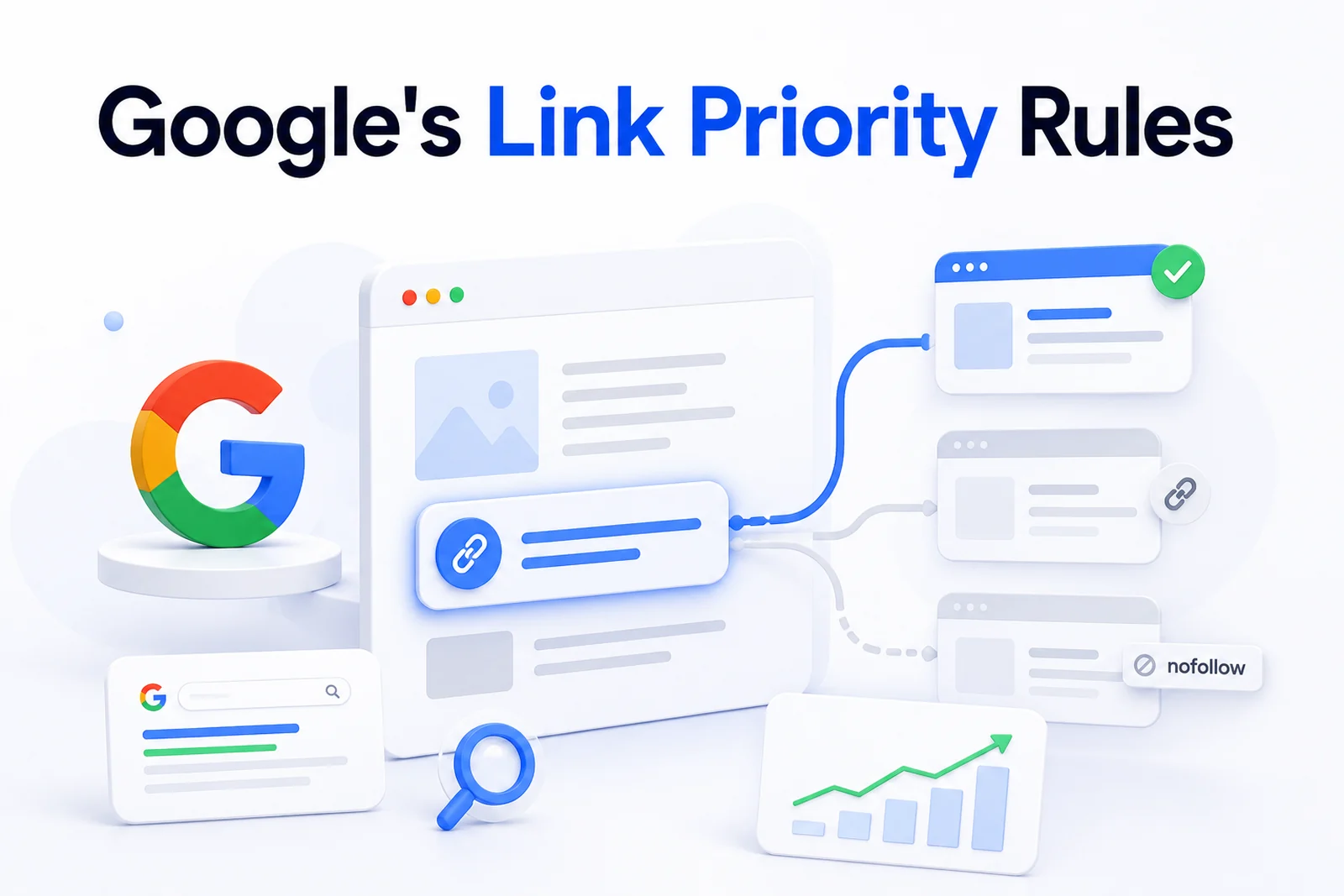
Google's John Mueller has offered fresh clarification on how the search engine evaluates hidden links and link visibility when determining ranking signals. For SEO teams managing internal linking at scale, this detail matters more than it might first appear. Here is what changed and how to apply it to your site's link architecture.
What Mueller Clarified About Hidden Links
The core clarification addresses how Google treats links that are technically present in a page's HTML but visually hidden from users — behind accordion menus, tabs, or CSS display rules. Google's evaluation of these links can differ depending on implementation, with genuinely hidden links carrying less ranking weight than links that are simply collapsed but accessible through normal user interaction, such as expandable navigation menus.
Why This Matters for Site Architecture
Many Indian websites use accordion-style navigation, tabbed content sections and collapsible mega-menus to manage information density on complex service or product pages. If these implementations inadvertently hide links from Google's evaluation in ways the site owner did not intend, valuable internal linking signals may not be counted as fully as expected, weakening the SEO value of an otherwise sound internal linking strategy.
How to Audit Your Site for This Issue
Use Google's URL Inspection tool in Search Console to check how key pages render from Google's perspective, paying particular attention to links inside collapsible or interactive elements. Compare the rendered HTML against what should be present. Pages with heavy JavaScript-driven navigation or content behind interactive elements deserve particular scrutiny, since rendering issues are more likely to hide links from proper evaluation — this is where a website development review often turns up problems SEO reporting alone would miss.
Best Practices for Internal Linking Going Forward
Where possible, keep primary navigation and important contextual links in standard, crawlable HTML rather than relying entirely on JavaScript-rendered interactive elements. When collapsible content is necessary for user experience, ensure the underlying links remain present and accessible in the initial page load rather than requiring a user interaction to render into the DOM, which reduces the risk of Google undercounting the link's ranking signal.
The Bigger Picture for Technical SEO in 2026
This clarification is a reminder that technical SEO fundamentals — clean HTML, proper rendering, accessible link structures — remain foundational even as search evolves toward AI-powered features. Sites with strong technical SEO consistently outperform sites relying purely on content quality when competing for the same rankings, because search engines still need to be able to properly crawl and evaluate the page structure underneath the content.
Working With DigiVeritaz on Technical SEO
DigiVeritaz runs technical SEO audits for brands across India, including businesses searching for digital marketing services in Mumbai, covering exactly this class of issue — rendering problems, hidden link structures and crawlability gaps that quietly cap ranking potential. A thorough SEO agency in India engagement should include this level of technical scrutiny alongside content strategy. Book a free technical SEO audit to see whether your site's link architecture is fully visible to Google.
Frequently Asked Questions
How do I check if my links are hidden from Google?
Use the URL Inspection tool in Google Search Console to view how Google renders a specific page and compare it against what should be visible in the page's actual content.
Are accordion menus always a problem?
Not necessarily. Well-implemented accordions that keep links present in the initial HTML are generally fine. The risk is specifically with implementations that only render links after user interaction.
Does this affect mobile SEO specifically?
It affects both, but mobile-first indexing means Google primarily evaluates the mobile rendering of your site, so mobile-specific hidden link issues deserve particular attention.
How urgent is fixing this issue?
If your site relies heavily on JavaScript-rendered navigation, prioritise an audit soon, since undercounted internal links can meaningfully suppress ranking potential for affected pages.
Explore our SEO services in India or contact us at +91 88509 34184.